





How efficient is a 2000 W modified sine wave inverter under load?
When considering the purchase of a 2000-watt modified sine wave inverter, it's crucial to address specific questions that often lack comprehensive answers. Below are six detailed inquiries along with in-depth responses to guide your decision-making process.
1. What is the typical efficiency of a 2000-watt modified sine wave inverter under varying load conditions?
The efficiency of a 2000-watt modified sine wave inverter varies depending on the load applied. Under light loads (approximately 8.4% of rated capacity), efficiency can be around 85.5%. As the load increases to about 50% of the rated capacity, efficiency improves to approximately 87.3%. This trend indicates that inverters generally operate more efficiently under higher loads.
2. How does the efficiency of a 2000-watt modified sine wave inverter compare to pure sine wave inverters?
Modified sine wave inverters typically have lower efficiency compared to pure sine wave inverters. For instance, a 2000-watt pure sine wave inverter can achieve efficiencies up to 90%, while modified sine wave inverters may have efficiencies around 85%. This difference is significant, as a 3% efficiency gap translates to approximately 210Wh wasted per hour at full load, amounting to over 5kWh lost in a 24-hour period.
3. What are the potential risks of using a 2000-watt modified sine wave inverter with sensitive electronic devices?
Using a 2000-watt modified sine wave inverter with sensitive electronics can lead to several issues:
Damage to Equipment: Modified sine wave inverters produce a stepped waveform that can cause electronic devices to run erratically or even fail prematurely.
Increased Heat Generation: Appliances like refrigerators and computers may overheat when powered by modified sine wave inverters, potentially reducing their lifespan.
Reduced Efficiency: Devices may operate less efficiently, leading to higher energy consumption and increased operational costs.
4. Are there specific appliances that should not be used with a 2000-watt modified sine wave inverter?
Certain appliances are particularly sensitive to the output of modified sine wave inverters and should be avoided:
Medical Equipment: Devices like CPAP machines and oxygen concentrators can malfunction or be damaged when powered by modified sine wave inverters.
Variable-Speed Motors: Appliances such as modern refrigerators with variable-speed compressors may experience erratic operation or premature failure.
Audio Equipment: Modified sine wave inverters can cause audio equipment to produce buzzing noises or even damage internal components.
5. What are the advantages and disadvantages of using a 2000-watt modified sine wave inverter compared to a pure sine wave inverter?
Advantages:
Cost-Effective: Modified sine wave inverters are generally less expensive than pure sine wave inverters, making them an attractive option for budget-conscious consumers.
Simplicity: They have a simpler design, which can lead to fewer points of failure.
Disadvantages:
Lower Efficiency: As mentioned, they are less efficient, leading to higher energy consumption.
Potential Equipment Damage: They can cause damage to sensitive electronics and appliances.
Limited Compatibility: Not suitable for all types of devices, especially those with sensitive electronics or variable-speed motors.
6. How can I maximize the efficiency of my 2000-watt modified sine wave inverter?
To enhance the efficiency of your inverter:
Use Appropriate Appliances: Connect only devices that are compatible with modified sine wave power.
Maintain Optimal Battery Voltage: Ensure your battery system operates within the recommended voltage range to prevent efficiency losses.
Keep Cables Short and Thick: Use short, thick cables to reduce voltage drop and minimize energy loss.
Provide Adequate Ventilation: Place the inverter in a cool, well-ventilated area to prevent overheating and maintain efficiency.
In conclusion, while 2000-watt modified sine wave inverters offer a cost-effective solution for powering various devices, they come with limitations, especially concerning efficiency and compatibility with sensitive electronics. Careful consideration of your specific power needs and the types of devices you intend to power is essential when selecting an inverter.
For personalized advice and a quote tailored to your requirements, please contact us at info@csinverter.com or visit our website at www.csinverter.com.


Modified Sine Wave Inverters
Which plug types are supported by the universal socket?
The universal socket is compatible with most national plug specifications, such as GB, US, EU, etc., and can meet the use of devices in different regions (some require adapters).
Can 4 USB ports charge 4 mobile phones at the same time?
Yes, the total current of 6.8A can support simultaneous fast charging of multiple devices, and the charging efficiency is guaranteed.
Is customization available?
OEM/ODM support for logo, color, and packaging design.
OEM & ODM Services
What’s the main difference between your OEM and ODM services?
OEM uses your brand on our standard products; ODM creates entirely new products based on your concept or specification.
Can I order samples before production?
Yes, we offer sample evaluation and prototype testing.
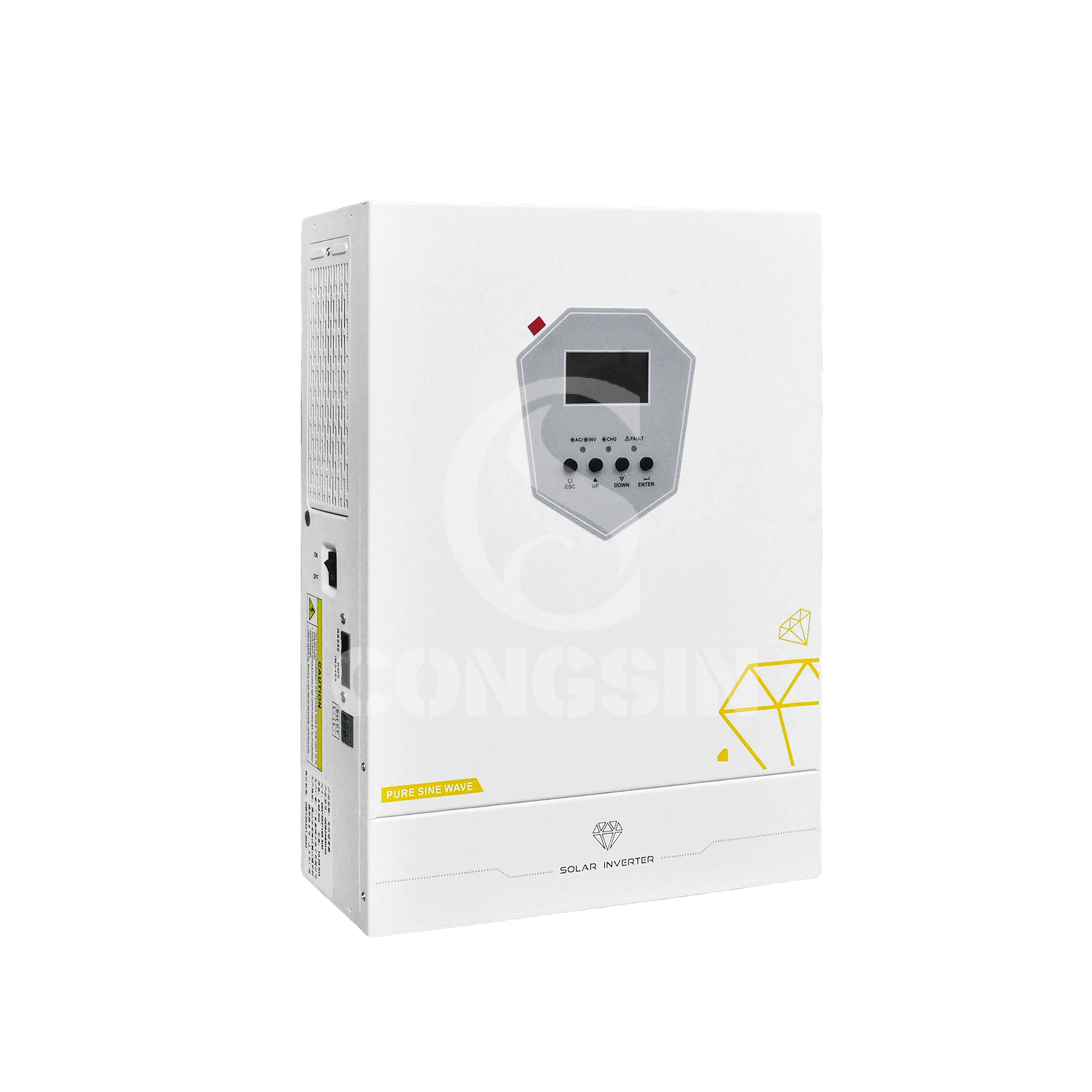
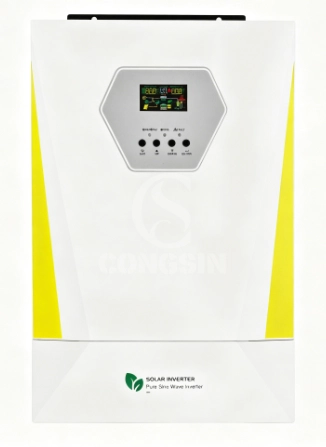
Power your solar system efficiently with the Congsin 4000W and 6000W Hybrid Inverter. Featuring an integrated MPPT Controller, this CE Certified inverter ensures optimal energy conversion. Monitor performance effortlessly via the intuitive LCD Display. Reliable, powerful, and ready for your sustainable energy needs.
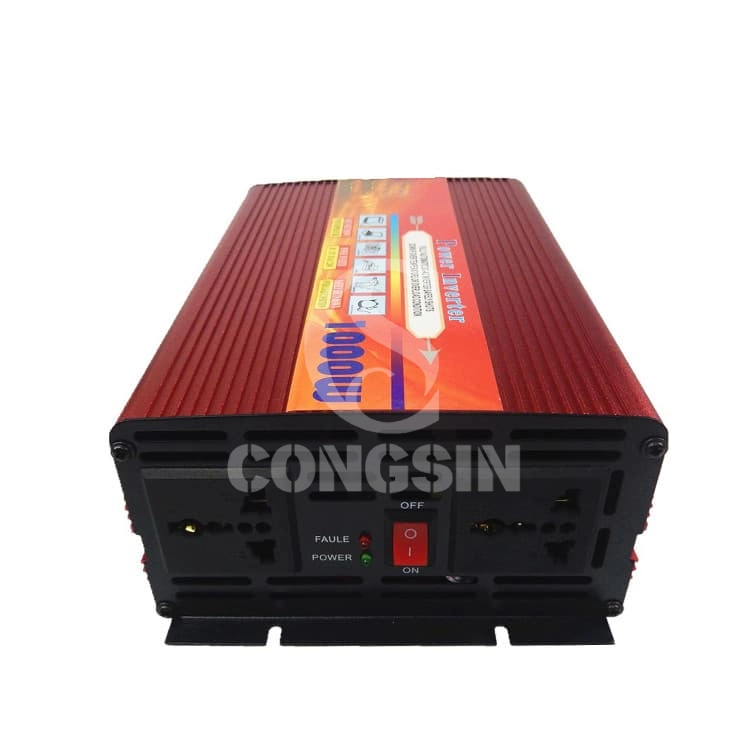
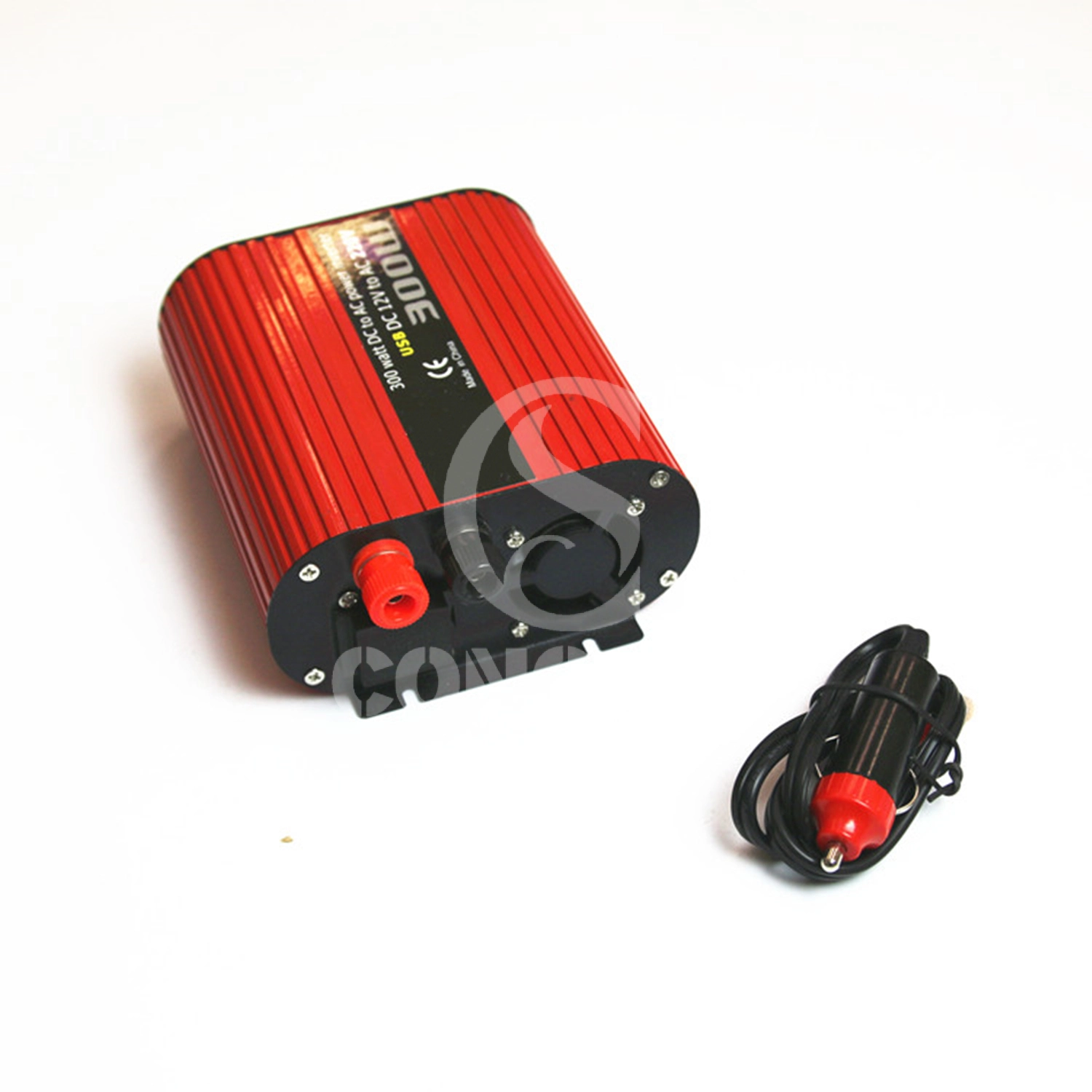
Congsin's Portable 150W Modified Sine Wave Inverter powers your journey! This versatile Car Power Inverter with USB acts as a reliable 12V to 220V converter, ensuring an essential off-grid power supply. With dual USB ports and a universal socket, enjoy convenient power on the go.
Get in Touch with Our Team
You can also communicate with us directly through our online contact form. Please fill in the following information, and our team will contact you as soon as possible after receiving your message.

CONGSIN is a trusted OEM factory for power inverters, solar charge controllers, and DC converters. Reliable solutions for global B2B buyers.
 High Quality
 7/24 Service
 Guaranteed Warranty
© 2025 Congsin. All Rights Reserved.
 WeChat
 Scan QR Code
sin cong
teaimei10
Whatsapp: +8618028086791
Scan QR Code